[WiT] FAIRPASS Spotlighted at WiT Bootcamp for Reusable Badge & Kiosk Model
FAIRPASS presented its unmanned kiosk and reusable badge solution at WiT Bootcamp, proving sustainability can reduce event costs.
* This content is a media clipping featuring FAIRPASS-related excerpts from official press releases and media coverage. The full original article is available via the source link below.
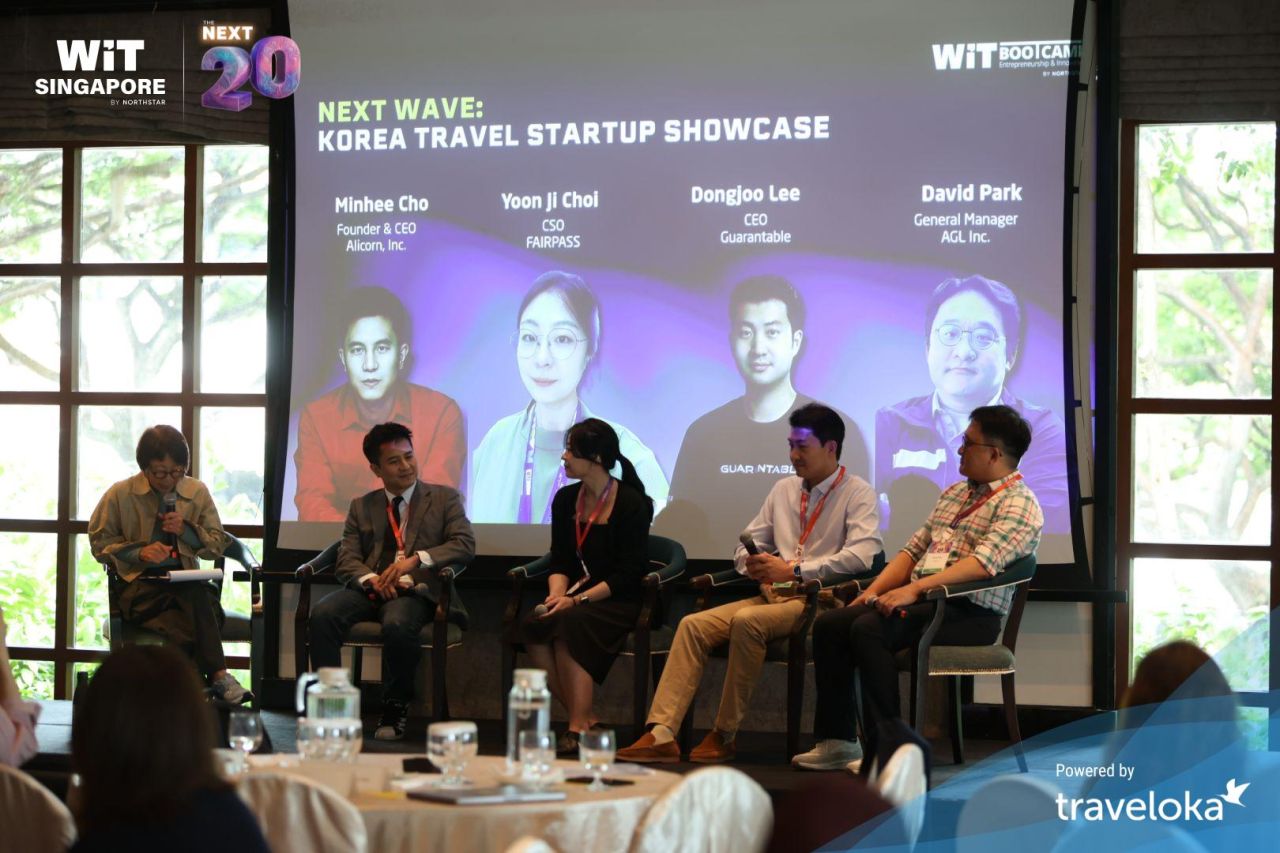
FAIRPASS Spotlighted at WiT Bootcamp for Recyclable Badge & Kiosk Model
Disposable name badges are one of the most familiar — and most overlooked — sources of waste in the events industry. Produced for a single occasion, worn briefly, and discarded within hours, they represent both an environmental burden and an operational inefficiency. At the WiT Bootcamp, FAIRPASS was recognised as one of four South Korean travel tech startups addressing exactly this kind of persistent, real-world problem.
The Problem: The “Two-Hour Plastic Badge”
FAIRPASS was introduced at WiT as a startup tackling what the article described as the “two-hour plastic badge” problem — millions of disposable event badges printed, worn once, and thrown away.
This is not only a sustainability issue. It is a workflow issue embedded in how many events still operate today.
The FAIRPASS Solution: Recyclable Badges and Self-Service Kiosks
According to the WiT article, FAIRPASS replaces single-use plastic and paper badges with recyclable badges paired with self-service kiosks. This model is designed to reduce material waste while improving onsite operations.
By shifting check-in to a kiosk-centred process, organizers can reduce reliance on traditional registration counters and lower onsite labor requirements.
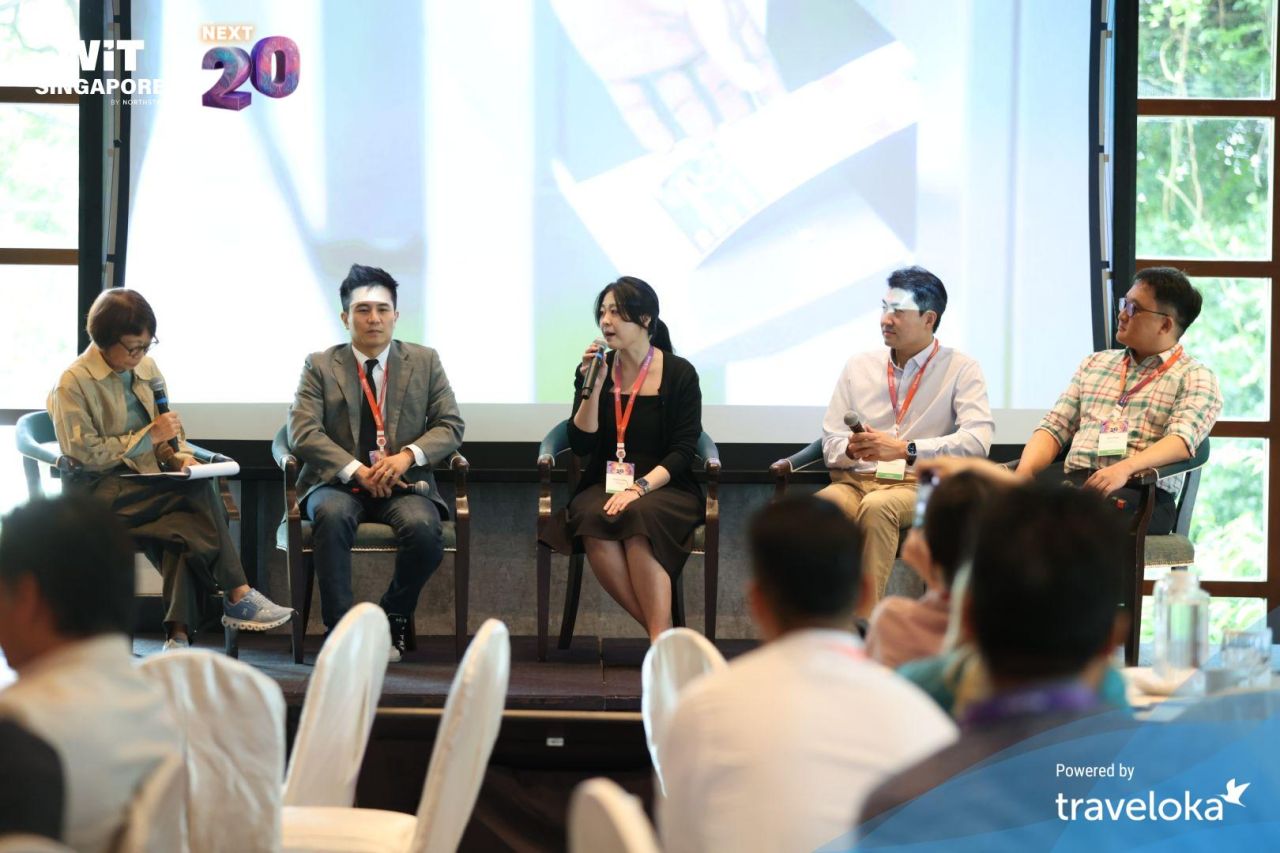
“People think sustainability is expensive. The kiosk model pays for itself by cutting counters and staff.”
— Yoon Ji Choi, CSO, FAIRPASS
Why It Matters: Sustainability Must Also Work Operationally
A key point highlighted in the WiT article is that sustainability in events should not be treated solely as a branding or CSR decision.
FAIRPASS presents recyclable badge materials and self-service check-in as a practical operating model — one that reduces waste and improves cost efficiency simultaneously.
Go-to-Market: Prove ROI First, Then Scale
WiT noted that FAIRPASS is taking a deliberate go-to-market approach: first deploying the model at its own events to establish proof of ROI, then using those results to expand to external organizers and new markets.
Singapore was identified as the primary localization target, with operating partners being sought as part of the company’s next stage of growth.
A Signal from the Market
The WiT Bootcamp showcase reflected a broader shift in Korean travel and event tech: startups are moving beyond concept-stage storytelling and focusing instead on systems that address costly, real-world problems.
For FAIRPASS, that means rethinking event registration — not as a front-desk process, but as an opportunity to reduce waste, simplify operations, and build more scalable event infrastructure.
📰 Source: WiT – Web in Travel, “Next wave: Korea’s travel tech enters its builder era” (Published October 31, 2025)
※ Editor’s Note: In this edited summary, the term “reusable” has been adjusted to “recyclable” to better reflect FAIRPASS’s current product description.
📬 Contact Us
FAIRPASS is ready to support your next event, whenever you need us.
fairpass@fairpass.world
Changing one badge can simultaneously elevate operational efficiency, environmental responsibility, and brand value.
Ready to streamline your next event?
Get a free consultation — no commitment required.
Get a free quote →